


Dual/twin shaft shredder machines in Bangladesh
are available for high-torque, industrial recycling, capable of shredding metals, plastics, tires, and e-waste. Common in the Bangladeshi market, these machines use counter-rotating shafts with alloy steel blades, often imported from China with prices starting around $1,500–$4,000 for standard models
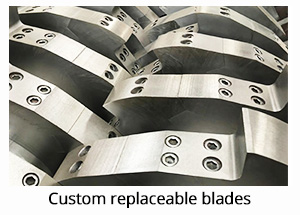
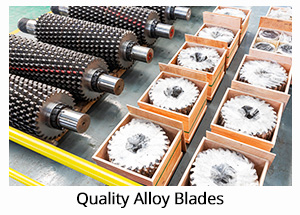
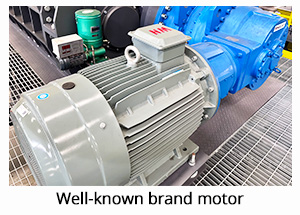
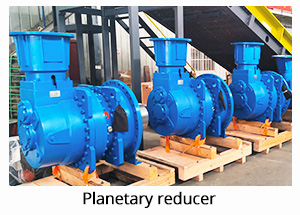
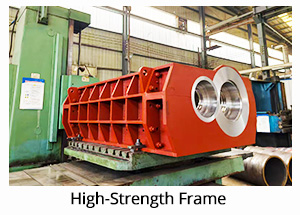
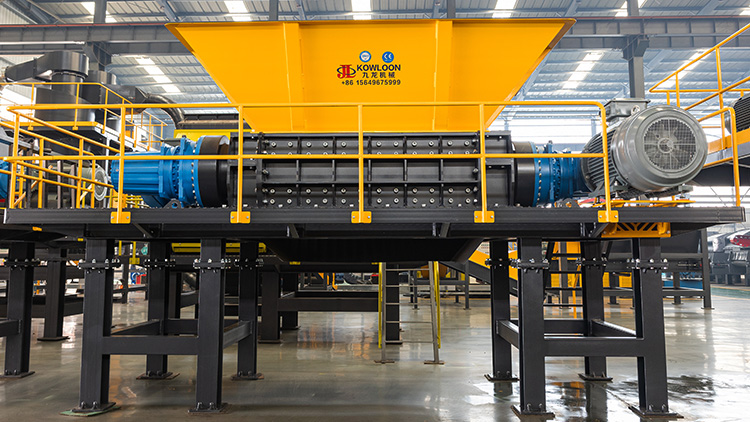
Double shaft shredder is a powerful equipment that can crush large, difficult-to-shred or hard-to-transport materials into small pieces by shearing, squeezing and tearing. It is mainly composed of frame, cutter shaft, blades, motor, reducer, feed inlet, discharge outlet, hydraulic system, PLC control system, and electrical motor or hydraulic drive system. Equipped with start, stop, reverse and overload automatic reverse control functions, avoid material blockage and reduce machine damage. We provide customized solution based on customers’ needs, ensuring high quality, improving productivity, and saving costs.
Application
√ Metal Scrap: iron, steel, aluminum, copper, metal plates, metal barrel, cans and castings, used car, motorcycles, engine, oil filters, motor, color steel tiles, etc.
√ Biomass: rice straw, paddy straw, sugarcane bagasse, corn stalks, corn cob, palm leaves, EFB, coconut shells, etc.
√ Wood Waste: tree, logs, branches, root, bark, pallets, wooden board, timber, lumber, etc.
√ Tire: car tires, truck tires, OTR tires, conveyor belt, rubber pipes, and other rubber products.
√ Plastic: PVC, PE, PP, ABS, PET, HDPE and other plastic waste, pipes, lumps, bottles, barrels, pallet, etc.
√ Bulky Waste: Furniture like sofas, mattresses, tables, cabinets, and Home Appliances like fridge, air conditioner, washing machine, etc.
√ Cardboard: waste carton, OCC (old corrugated cardboard), paper mill waste and pulper ropes, etc.
√ Other waste: sponge, leather, fabric, garbage, household waste, construction and demolition waste and so on.
What Materials Can a Metal Shredder Process?
| Material | Can it shred? | Recommended model | Output size |
| Scrap car body | Yes | JLSS2000D | 50–150mm |
| Steel drum | Yes | JLSS1500D | 40–80mm |
| Aluminum can | Yes | JLSS1200D | 20–50mm |
| Mixed scrap | Yes | JLSS2000D | 60–200 mm
|
Advantages of Metal Shredder in Scrap Recycling
· Handles bulky and heavy scrap with ease
The low-speed, high-torque dual-shaft design allows the metal shredder to tear apart large items such as car bodies, steel drums, appliances, and structural steel without pre-cutting, reducing labor and preparation time.
· Stable performance with low noise and dust
Compared with high-speed crushing equipment, the shredder operates at slow rotational speed, which significantly reduces vibration, noise, and dust generation during operation.
· Long blade service life and low wear
Alloy steel blades and the tearing principle reduce direct impact, resulting in slower wear, longer service intervals, and lower maintenance costs.
· Prepares material for efficient separation
The output size after shredding is ideal for magnetic separation, crushing, and sorting, improving metal liberation and increasing recycling purity.
· Automatic reverse protection against blockage
When unshreddable materials enter the chamber, the machine automatically reverses to prevent jamming and protect the shafts and blades.
· Suitable as the primary equipment in a recycling line
A metal shredder is typically the first stage of a scrap metal recycling system, reducing material size and volume before further processing steps.
· Wide adaptability to different metal types
From aluminum cans and thin sheets to heavy car shells and beams, the shredder can process mixed scrap with consistent performance.
· Reduces transportation and storage volume
By shredding bulky scrap into smaller pieces, the machine lowers transportation costs and improves storage efficiency for recycling facilities.
Metal Shredder Technical Parameters
Different metal shredder models are designed to handle specific types of scrap metal and production capacities. Smaller models are ideal for light materials such as aluminum cans and thin iron sheets, while medium models are suitable for steel drums and mixed scrap. Larger heavy-duty models are built for processing bulky and thick materials like scrap car bodies and heavy metals. The variation in motor power, shaft size, and blade thickness directly affects shredding strength and hourly output, which can range from 5 to 30 tons per hour. Choosing the correct model depends on the material type, required capacity, and the overall configuration of your scrap metal recycling line. These specifications show that different models are designed for different scrap densities and capacities.
| Model | JLSS1200D | JLSS1500D | JLSS2000D | JLSS2600D |
| Motor | 30kW+30kW | 30kW+30kW / 75kW+75kW | 75kW+75kW / 90kW+90kW / 110kW+110kW | 160kW+160kW |
| Gearbox | planetary type, gear transmission | |||
| Shaft | solid shaft, made of 40Cr, hardened and tempered | |||
| Shredder chamber (inner) | 1120*1000 mm | 1450*1100 mm | 1920*1250 mm | 2425*1400 mm |
| Rotor rotary speed | 6-8 rpm | 6-8 rpm | 4-6 rpm | 4-6 rpm |
| Blade type | Detachable type | |||
| Shaft diameter | 530mm | 530mm / 650mm | 600mm / 650mm / 720mm / 730mm / 800mm | 800mm |
| Lubrication system | with automatic oil lubricator | |||
| Dimension | 3.2*2*1.9 m | 4.04*2.45*2.6 m | 5.48*2.79*3.05 m | 7.74*4.12*4.72 m |
| Weight | 17000 kg | 22000 kg | 34000 kg | 58000 kg |


Reviews
There are no reviews yet.